How solar with battery storage works — from enquiry to installation
The process is straightforward: you enquire, we arrange a no-obligation survey, we design a battery-first system sized to your home, and our MCS-certified partner carries out the installation. Here is what happens at each stage, in plain English, so you know exactly what to expect before, during and after.
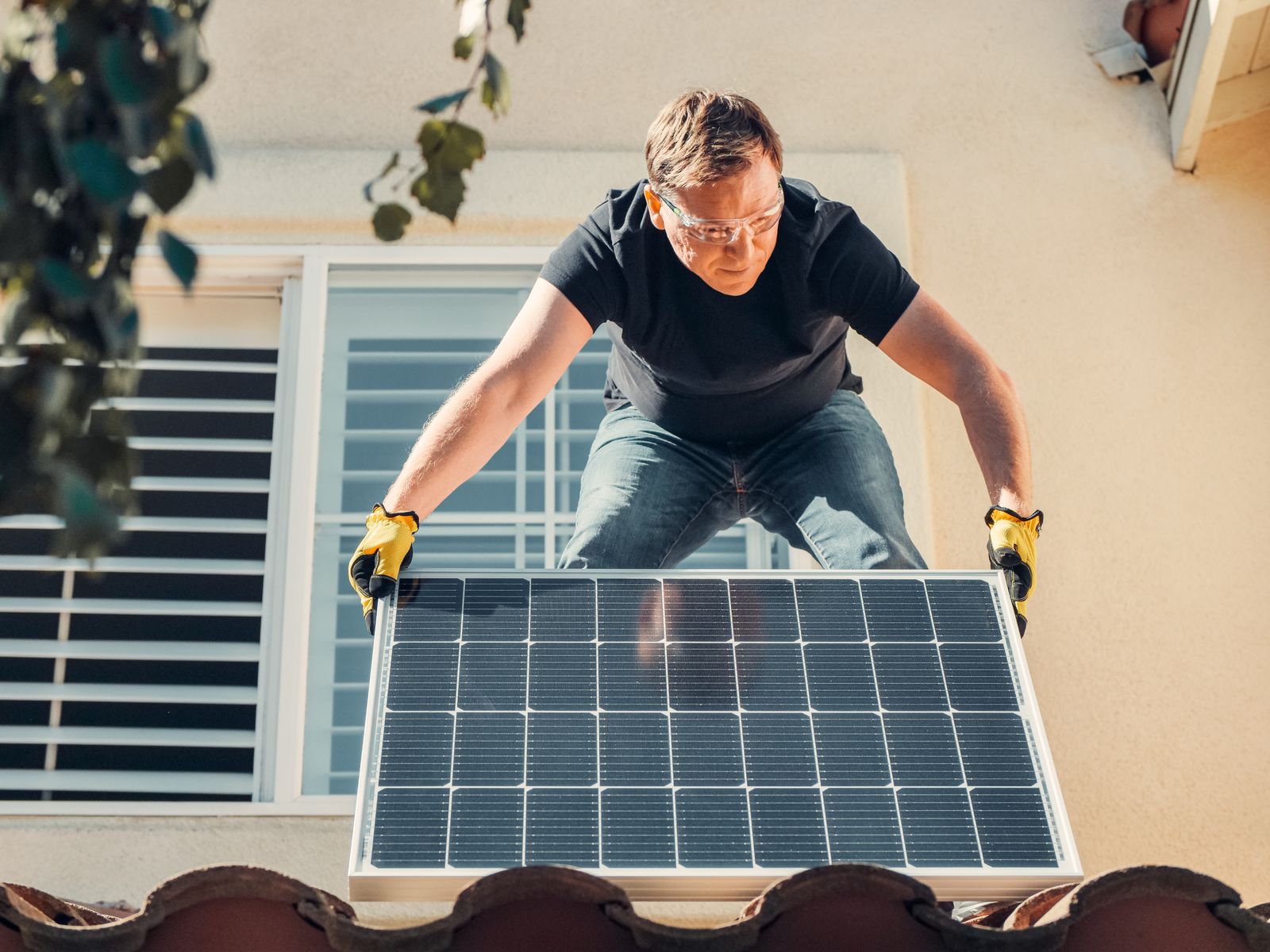
Step 1 — Your enquiry
You start by telling us a little about your home and what you are looking for: a new solar and battery system, adding a battery to existing panels, or simply exploring the idea. Use the quote form on this page or call us — there is no obligation at this stage. We ask for your postcode, a contact number and a sense of your interest so we can come back to you with relevant questions.
Step 2 — The no-obligation survey
We arrange a survey at a time that suits you. The surveyor visits your home to assess the roof — its size, orientation, pitch and condition — your electrical setup, and where a battery and inverter would sit. They also look at how your household uses electricity: your typical daily usage, evening demand, and whether you have a heat pump, electric vehicle or other significant loads.
This is a proper assessment, not a sales visit. The surveyor takes measurements and photographs (with your permission), asks about your goals, and explains the options in plain language. You are not asked to sign anything or commit on the day.
Step 3 — System design and sizing
Back at the office, we use the survey data to design a battery-first system. This means we start with the battery capacity that matches your usage and goals, then size the solar array to fill it across a typical Glasgow day, and match an inverter that handles charging and discharging efficiently.
If you already have solar panels, we assess your current inverter and generation, then specify a battery that integrates cleanly — whether that means a compatible AC-coupled battery or replacing the inverter with a hybrid model. We explain the trade-offs in your written quote.
What we size and why
- Battery capacity — to cover your evening and overnight usage from stored solar
- Solar array — large enough to fill the battery on a typical day, within your roof limits
- Inverter — hybrid for new systems, or checked against your existing unit for retrofits
- Monitoring — so you can see generation, battery state and home usage in real time
Step 4 — Your written quote
You receive a written quote setting out the proposed system: panel count and model, battery capacity and model, inverter, and the full installation scope including scaffolding and electrical work. The price reflects 0% VAT on solar panels and batteries until 31 March 2027. Loans available, subject to status — your surveyor can discuss finance options if useful.
There is no pressure to accept. Take your time, ask questions, compare options. If you want to adjust the system — more or less battery, different panels — we revise the quote. If you decide not to proceed, that is completely fine.
Step 5 — Installation
If you accept the quote, we schedule the installation with our MCS-certified partner. A typical residential install takes one to three days on site. Here is what happens:
- Scaffolding is erected for safe roof access (where required)
- Panels are fixed to the roof with mounting rails and weathered flashing
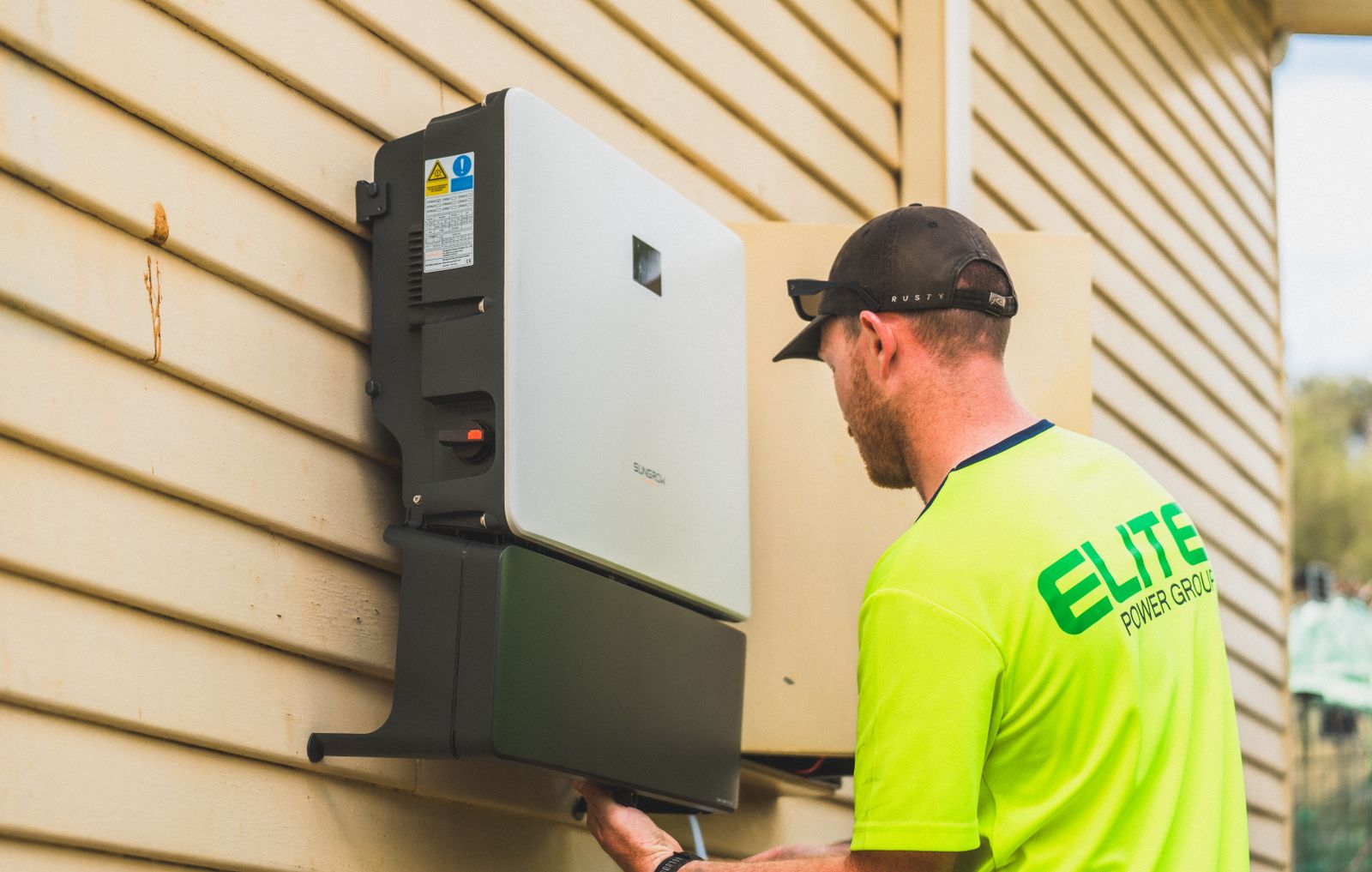
- The inverter and battery are installed in the agreed location — usually a garage, utility room or loft
- Electrical connection to your consumer unit, with a short power-off period you are warned about in advance
- Commissioning and testing to confirm the system generates, stores and discharges correctly
Step 6 — Handover and aftercare
Once the system is commissioned, the installation team walks you through how it works: how to read the monitoring app, what the battery state display means, and how the system decides when to charge and discharge. You receive the handover documentation and, shortly after, the MCS certificate from our certified partner.
We install through MCS-certified partners, which means your installation meets the recognised industry standard for quality and safety. If you have questions after the install, our team is a phone call away.
Start with a no-obligation survey
Tell us about your home and we'll arrange a survey at a time that suits you.
Frequently asked questions
How long does a solar and battery installation take?
Do I need to be home during the installation?
Will my electricity be switched off?
What happens after installation?
Ready to explore solar with battery storage?
Arrange a no-obligation survey and quote. We'll assess your home, recommend the right system size, and answer your questions — with no pressure to proceed.
No obligation · We install through MCS-certified partners · Scottish homes and businesses
Related guides
Costs & VAT
How pricing works and 0% VAT on solar and batteries until 2027.
Read moreAreas covered
Glasgow neighbourhoods and surrounding towns we cover.
Read moreFAQs
Common questions about solar, batteries and installation.
Read moreGet a quote
Arrange a no-obligation survey and quote for your home.
Read moreLast updated: 17 October 2026